Why Are Running Shoes Called Sneakers?
Have you ever wondered why running shoes are called sneakers? The term “sneaker” is deeply ingrained in our vocabulary, but its origins are often taken for granted.
This article explores the fascinating history and evolution of running shoes, shedding light on how they came to be known as sneakers. From early designs to modern innovations and their cultural significance, we delve into the story behind this ubiquitous footwear.
Running shoes are called sneakers because of their rubber soles, which were first designed to be quiet and “sneaky” compared to the noisy leather-soled shoes of the past. The term caught on in the late 19th century and became popular as these shoes evolved into the comfortable, high-performance footwear we know today.

Historical Background
Early Footwear
Before the advent of sneakers, people relied on rudimentary footwear for athletic activities. Early running shoes were simple leather or canvas designs with minimal support and cushioning. These shoes were practical but lacked the technology and comfort that modern athletes enjoy.
Birth of Sneakers
The term “sneaker” emerged in the late 19th century. The first rubber-soled shoes were produced by the U.S. Rubber Company in 1892, known as Keds. These shoes were unique because their rubber soles allowed wearers to move quietly, hence the name “sneaker.” This innovation marked the beginning of a new era in athletic footwear.
Etymology of “Sneakers”
Origin of the Term
The term “sneaker” was coined due to the shoes’ quiet, stealthy movement compared to the noisy leather-soled shoes of the time. The word gained popularity in the early 20th century, symbolizing a shift towards more comfortable and practical footwear.
Cultural Influence
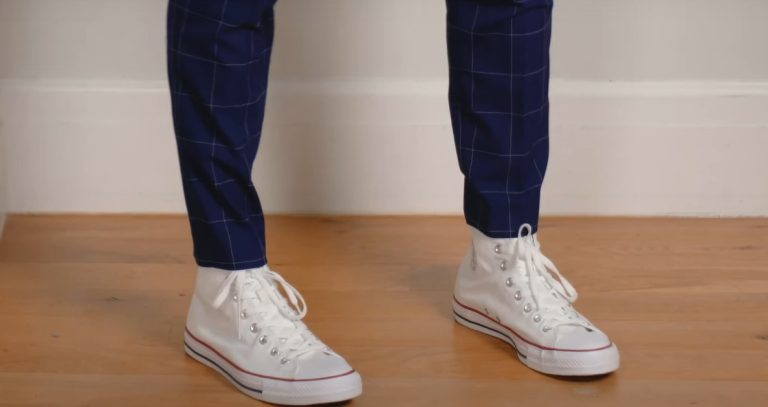
Popular culture played a significant role in cementing the term “sneaker” in the public consciousness. Literature, advertisements, and early endorsements helped spread the term. For instance, the iconic brand Converse launched its first basketball shoe, the All-Star, in 1917, further popularizing sneakers.
Evolution of Running Shoes
Technological Advances
Over the decades, running shoes have undergone significant transformations. Early designs were basic, but technological advancements introduced features like arch support, cushioning, and breathable materials. The 1970s saw a running boom, with brands like Nike leading the way in innovation.
Modern Innovations
Today, running shoes are a marvel of engineering. Brands such as Nike, Adidas, and Asics continually push the boundaries of design and technology. Features like air soles, gel cushioning, and lightweight materials enhance performance and comfort, catering to both casual joggers and professional athletes.
Sneakers in Popular Culture
Iconic Moments
Sneakers have transcended their athletic origins to become a staple of popular culture. They have appeared in movies, music videos, and sports events. Iconic moments include Michael Jordan’s Air Jordans and their impact on both basketball and fashion. Sneaker endorsements and collaborations with celebrities have made them a symbol of status and style.
Sneaker Subculture
The sneaker subculture has grown exponentially over the years. Sneakerheads, individuals who collect and trade sneakers, have turned these shoes into coveted items. Limited editions and collaborations with designers and artists have elevated sneakers to high fashion, influencing trends in streetwear and beyond.
Conclusion
The journey of running shoes from simple designs to the sophisticated sneakers of today is a testament to human ingenuity and cultural evolution. Understanding why running shoes are called sneakers offers insight into the history of footwear and its impact on society. Sneakers are not just shoes; they are a cultural phenomenon that continues to evolve and inspire.
References
- Books:
- “Sneakers: The Complete Limited Editions Guide” by U-Dox.
- “Out of the Box: The Rise of Sneaker Culture” by Elizabeth Semmelhack.