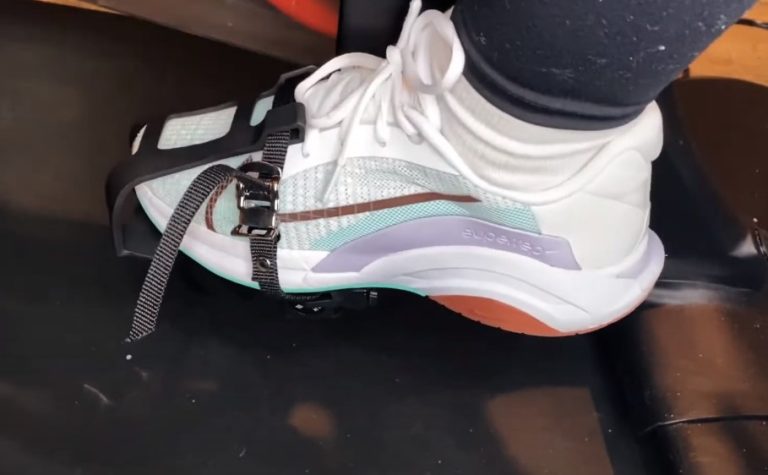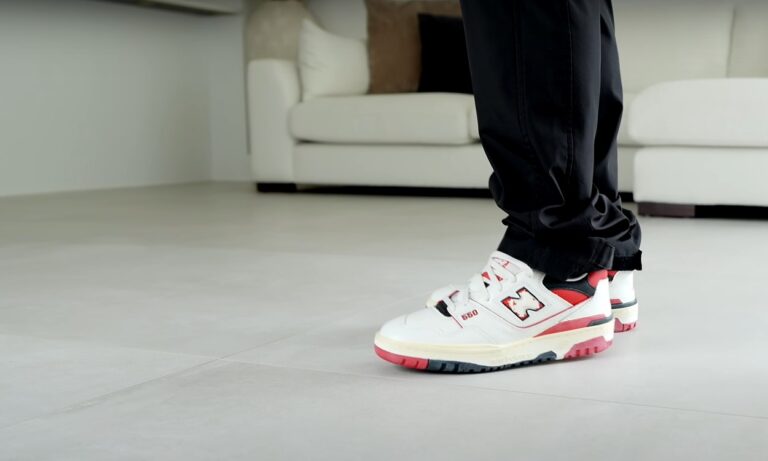
Top 12 Differences Between Sneakers and Sports Shoes
Sneakers and sports shoes might seem similar at first glance, but they serve different purposes and cater to distinct needs. While sneakers are designed for casual wear and fashion, sports shoes are built specifically for athletic performance. Understanding the differences between these two types of footwear can help you make more informed choices for both style and functionality.
Table of Differences Difference Between Sneakers and Sports Shoes
| Feature | Sneakers | Sports Shoes |
|---|---|---|
| Primary Purpose | Casual wear and fashion | Athletic performance |
| Design Focus | Style and comfort | Functionality and support |
| Material | Variety of materials (canvas, leather) | High-performance materials (mesh, synthetic) |
| Sole Type | Flat or slightly cushioned | Specialized soles for traction and stability |
| Support | Minimal arch support | Enhanced arch and ankle support |
| Flexibility | Flexible for comfort | Structured for specific sports movements |
| Breathability | Moderate breathability | High breathability to manage sweat |
| Durability | Designed for moderate use | Built for rigorous activities |
| Weight | Lightweight | May vary depending on sport requirements |
| Usage Scenarios | Everyday activities, casual outings | Running, training, specific sports |
| Price Range | Wide range, often fashion-driven | Generally higher, performance-driven |
| Customization Options | Color and style customization | Custom fit and performance features |
Detailed Comparison
Sneakers and sports shoes are staples in almost everyone’s wardrobe. They might look similar, but they have significant differences in terms of design, purpose, and functionality. Whether you’re dressing up for a casual day out or gearing up for an intense workout, choosing the right footwear can make a big difference in comfort and performance.

1. Primary Purpose
Sneakers:
Sneakers are primarily designed for casual wear and fashion. They are ideal for everyday activities like walking, running errands, or casual outings. Their main appeal lies in their versatility and stylish designs.
Sports Shoes:
Sports shoes, on the other hand, are engineered for athletic performance. They are tailored to meet the specific needs of various sports such as running, basketball, tennis, and more. The focus here is on enhancing performance, providing support, and ensuring safety during physical activities.
2. Design Focus
Sneakers:
The design of sneakers emphasizes style and comfort. They come in a wide range of colors, patterns, and materials, making them a popular choice for fashion-conscious individuals. Comfort is a key aspect, but not at the expense of style.
Sports Shoes:
Sports shoes prioritize functionality and support over style. They are designed to provide the necessary support, stability, and protection required for different sports. This includes features like reinforced soles, cushioned insoles, and breathable materials.
3. Material
Sneakers:
Sneakers are made from a variety of materials, including canvas, leather, and synthetic fabrics. The choice of material often depends on the design and the intended use. For instance, canvas sneakers are lightweight and breathable, while leather sneakers offer a more polished look.
Sports Shoes:
Sports shoes are crafted from high-performance materials designed to withstand rigorous use. Common materials include mesh for breathability, synthetic fabrics for durability, and specialized rubber for enhanced grip and traction.
4. Sole Type
Sneakers:
The soles of sneakers are usually flat or slightly cushioned, providing comfort for everyday wear. They are flexible and designed to absorb the shock of walking on hard surfaces.
Sports Shoes:
Sports shoes feature specialized soles tailored to the demands of specific sports. For example, running shoes have cushioned soles to absorb impact, while basketball shoes have soles designed for traction and stability on the court.
5. Support
Sneakers:
Sneakers generally offer minimal arch support and are designed for comfort rather than intensive physical activity. They are suitable for short durations of wear but may not provide adequate support for prolonged use or high-impact activities.
Sports Shoes:
Sports shoes provide enhanced arch and ankle support, crucial for preventing injuries during physical activities. The level of support varies depending on the sport, with some shoes offering additional features like ankle straps or reinforced heels.
6. Flexibility
Sneakers:
Sneakers are flexible and designed to move with your feet, providing comfort for everyday activities. This flexibility makes them comfortable for casual wear but may not offer the stability needed for sports.
Sports Shoes:
Sports shoes are structured to support specific movements required in sports. For instance, running shoes are designed to guide the foot’s motion, while tennis shoes offer lateral support for quick side-to-side movements.
7. Breathability
Sneakers:
Sneakers offer moderate breathability, depending on the material. Canvas and mesh sneakers are more breathable, while leather sneakers might be less so.
Sports Shoes:
Sports shoes are designed with high breathability in mind to manage sweat and keep feet dry during intense activities. Mesh panels and moisture-wicking materials are commonly used to enhance airflow and comfort.
8. Durability
Sneakers:
Sneakers are designed for moderate use and may not withstand the wear and tear of rigorous activities. Their durability varies based on the material and construction quality.
Sports Shoes:
Sports shoes are built to endure the demands of athletic activities. They are made from durable materials and feature reinforced construction to withstand constant use and harsh conditions.
9. Weight
Sneakers:
Sneakers are generally lightweight, making them comfortable for all-day wear. The focus on fashion means they are not burdened with additional features that add weight.
Sports Shoes:
The weight of sports shoes can vary depending on the sport. Running shoes are typically lightweight to enhance speed and reduce fatigue, while shoes for sports like basketball or hiking might be heavier due to added support and protection features.
10. Usage Scenarios
Sneakers:
Sneakers are perfect for everyday activities, casual outings, and light physical activity. They are versatile and can be paired with a variety of outfits, from jeans to dresses.
Sports Shoes:
Sports shoes are designed for specific athletic activities. Whether it’s running, basketball, soccer, or tennis, each type of sports shoe is tailored to enhance performance and reduce the risk of injury in that particular sport.
11. Price Range
Sneakers:
The price of sneakers can vary widely, often influenced by brand and design. Fashion-driven models from popular brands can be quite expensive, while more affordable options are also available.
Sports Shoes:
Sports shoes generally have a higher price range due to their specialized features and performance materials. Investing in a good pair of sports shoes is essential for athletes to ensure they get the necessary support and durability.
12. Customization Options
Sneakers:
Sneakers offer a wide range of customization options, from color and style to personalized designs. This makes them a popular choice for individuals looking to express their personal style.
Sports Shoes:
Sports shoes can also be customized, but the focus is more on performance features such as fit, cushioning, and support. Some brands offer custom fitting services to ensure the shoe meets the athlete’s specific needs.
Conclusion
Understanding the differences between sneakers and sports shoes is crucial for selecting the right footwear for your needs. Sneakers are the go-to choice for casual wear and fashion, offering comfort and style for everyday activities. In contrast, sports shoes are designed for athletic performance, providing the necessary support, stability, and protection for various sports.
By considering factors such as purpose, design focus, material, support, and durability, you can make an informed decision and choose the footwear that best suits your lifestyle and activities. Whether you’re hitting the gym, running a marathon, or simply going out for a coffee, the right pair of shoes can make all the difference in comfort and performance.